

Lanzarote: A Volcanic Vineyard in the Heart of Extremes
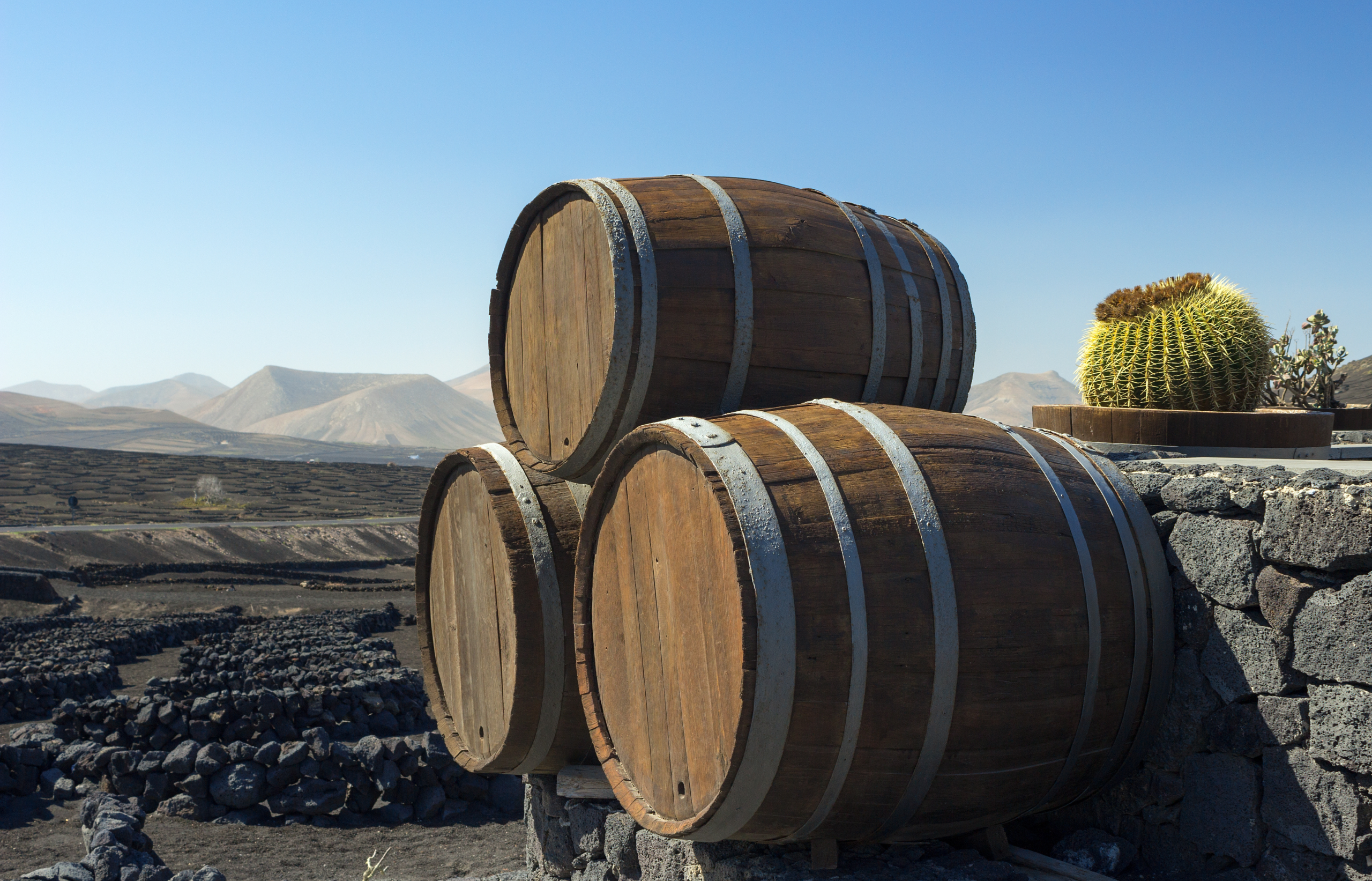
In the easternmost part of the Spanish archipelago, just off the northern coast of Africa and near the vast Sahara Desert, lies the remarkable island of Lanzarote. Born from fiery volcanic eruptions 15 million years ago, this island is a dramatic landscape of solidified lava flows, rugged volcanic rocks, and expansive stretches of black sand. With only about 16 days of rainfall a year and temperatures on its stark black plains soaring to 50°C (120°F), Lanzarote might seem inhospitable at first glance.
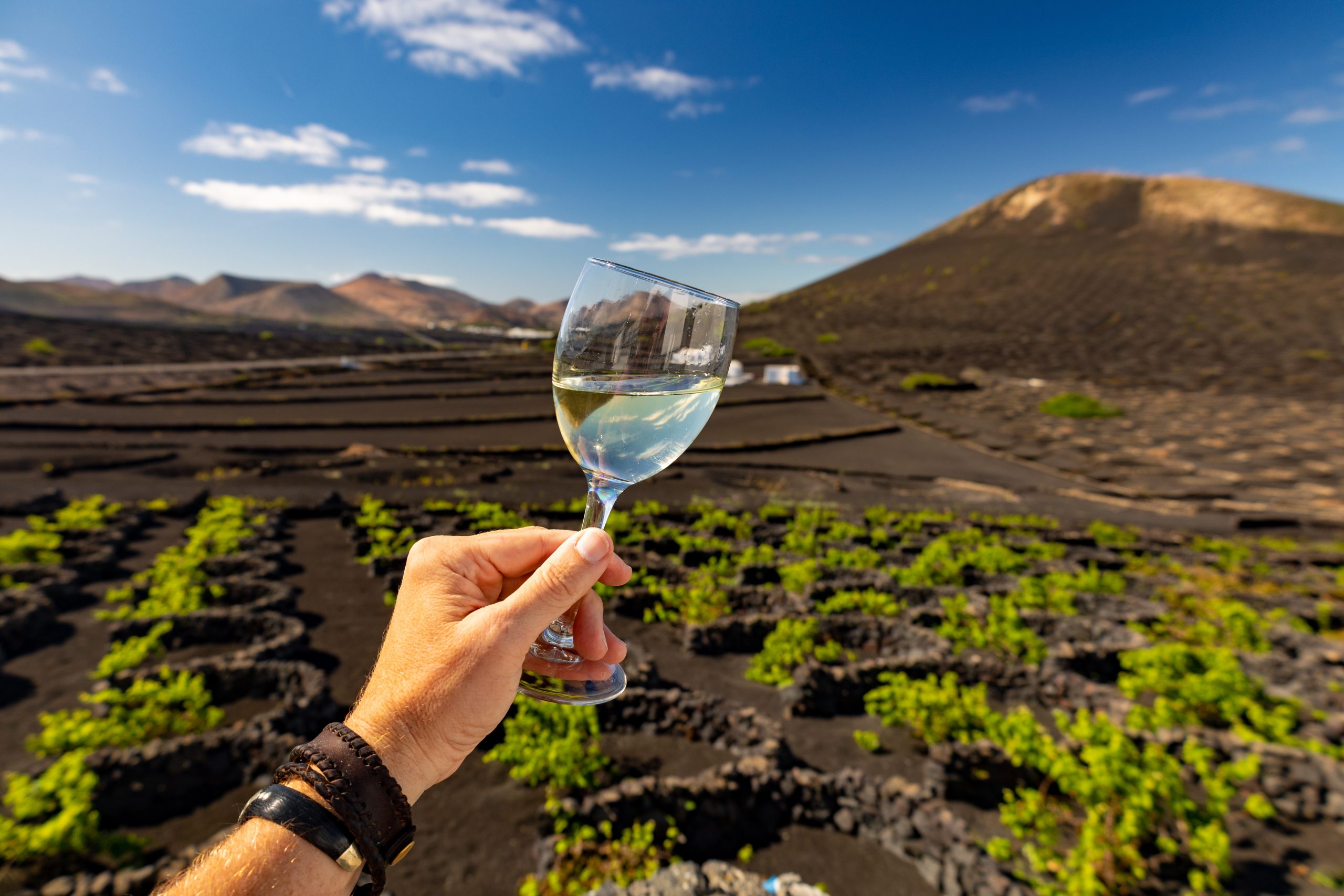
Yet, despite these harsh conditions, Lanzarote is home to a thriving and unique wine industry, producing between 400,000 to 600,000 bottles annually. The island’s wines, known for their distinct character, are crafted from grapes grown in the nutrient-rich volcanic soil. This soil, known locally as picón, not only retains moisture exceptionally well but also imparts a unique mineral quality to the wines, giving them a flavor that is as bold and resilient as the island itself.
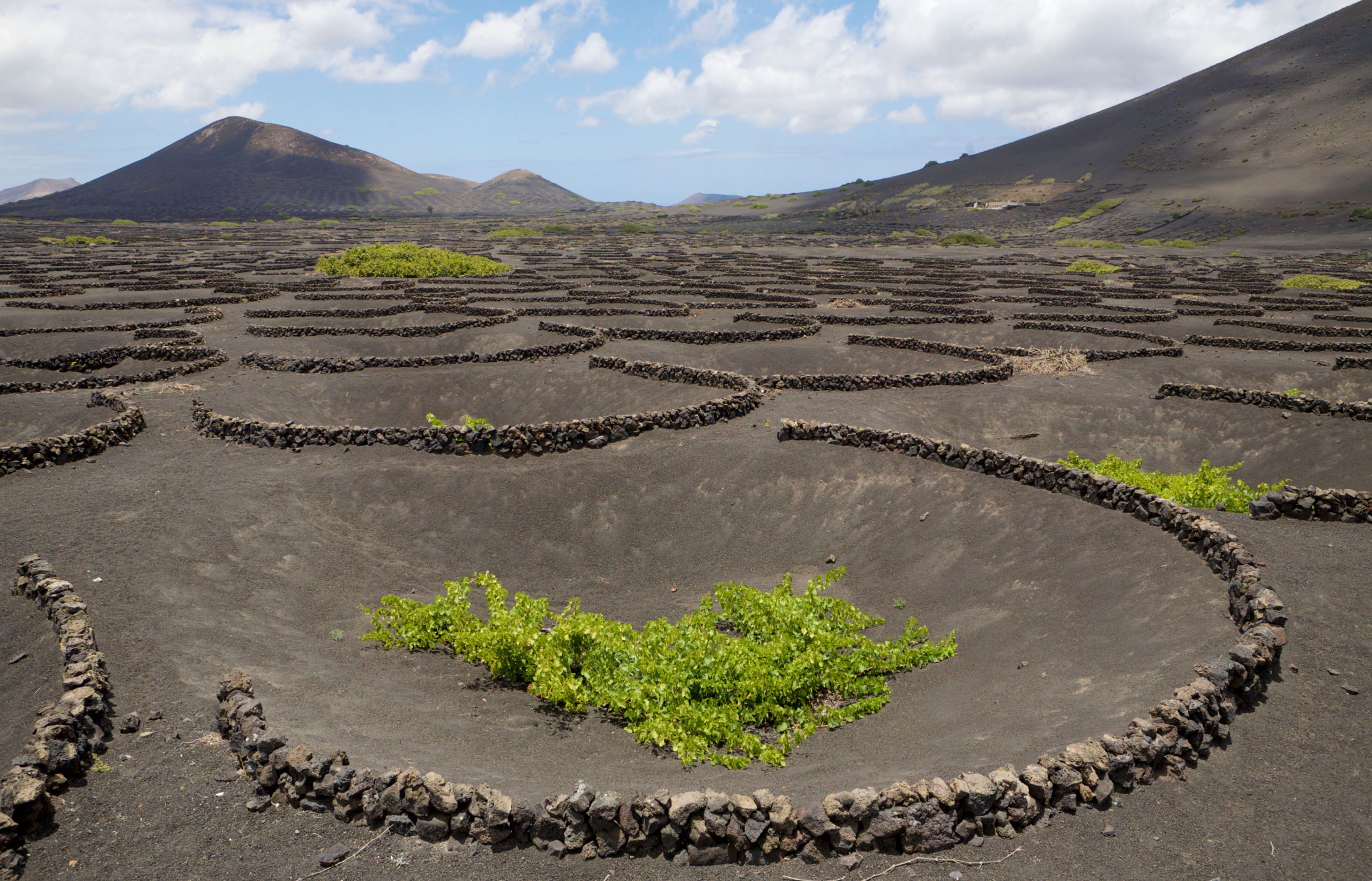
Lanzarote’s winemakers, among the most dedicated in the world, developed ingenious cultivation techniques in the 18th century that transformed the challenging environment into fertile grounds. Vineyards here are unlike any others, with each vine planted in individual pits, known as hoyos, dug into the volcanic ash. These pits, often protected by low stone walls, shield the vines from the harsh winds and conserve precious moisture. Following the last eruption of the Timanfaya Volcano in 1730, which lasted six years and drove many residents to emigrate, those who remained discovered the hidden potential of the volcanic soil. The resilience and innovation of Lanzarote’s farmers turned a land of extremes into a flourishing vineyard, where the harsh beauty of the landscape is mirrored in the robust character of the wines they produce. Today, these wines, particularly the island’s famed Malvasía Volcánica, are celebrated for their freshness, vibrant acidity, and subtle mineral notes, offering a true taste of Lanzarote’s unique terroir.
Lanzarote’s method of dry cultivation, using the very volcanic soil that once seemed so destructive, stands as a powerful symbol of human resilience and ingenuity. The island’s winemakers have not only adapted to their environment but have also elevated it, producing wines that are a testament to the extraordinary synergy between the land and those who cultivate it.